
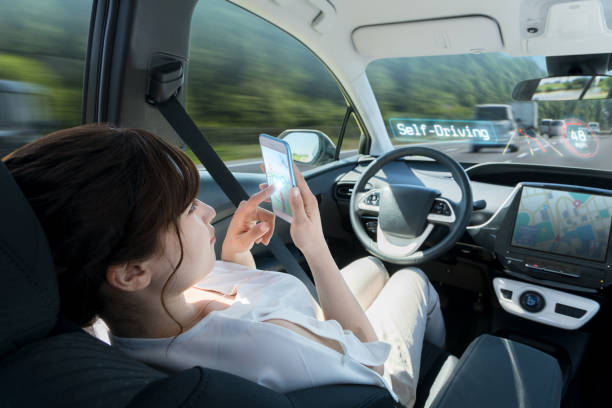

Are We Really That Close?
Every couple of years, some tech CEO hops on stage and says, “Self-driving cars are just around the corner.” And yet, here we are in 2025, still waiting for our Uber to arrive without a driver humming to Bollywood or blasting EDM. Honestly, it feels a bit like those “flying car” promises from the 1960s — exciting, but kinda… delayed. That said, progress is happening. Companies like Tesla, Waymo, and even traditional automakers are burning through billions to make this real. In fact, I read somewhere that the self-driving market could be worth over $400 billion by 2030. Sounds fancy, but what does it actually mean for you and me in the next 10 years?
The Levels of “Driverless” Nobody Tells You
Here’s the thing people often miss: there are levels to self-driving. It’s not just “manual” vs “robot taxi.” The SAE (Society of Automotive Engineers, yes that’s a thing) created a scale from 0 to 5. Level 0: You do everything. Basically what your grandma’s Maruti 800 was. Level 2: The car helps you — think Tesla Autopilot or lane keeping. Level 3: The car can drive itself sometimes but still screams for you to grab the wheel if it panics. Level 4: Fully self-driving in specific zones (like some robo-taxis in Phoenix). Level 5: The dream — no steering wheel at all. We’re currently stuck somewhere between Level 2 and 3 for most consumers. Level 5? Probably not happening this decade. And I’ll die on that hill.
Why It’s Taking Longer Than Expected
If you scroll Twitter (okay, X, whatever Elon insists on calling it), you’ll see endless memes about Teslas trying to kill traffic cones. The problem is simple: roads are chaos. Unlike planes that have clear air traffic rules, cars deal with unpredictable stuff — jaywalkers, potholes, dogs chasing bikes, or that one guy who signals left but turns right. AI is smart, but not that smart yet. Plus, regulators are cautious (imagine being the politician who approved self-driving and then a viral accident happens — career over). Also, fun fact: Google’s Waymo had cars running millions of test miles, but even then, human drivers had to take over every few thousand miles. Doesn’t sound super confidence-inspiring, right?
What We Might Actually See in the Next 10 Years
Instead of robot taxis everywhere, here’s what’s more realistic:
1. Autonomous Shuttles in Controlled Areas
Think airports, university campuses, tech parks. Small electric shuttles moving in loops where there’s less chaos. Honestly, this is already happening in places like Singapore and Dubai.
2. Trucking Before Taxis
This one’s big: long-haul trucking might go driverless before your neighborhood cab does. Highways are predictable, and trucks don’t get tired. Plus, there’s a serious shortage of truck drivers worldwide. A 2019 stat said the U.S. needed about 60,000 more drivers. Imagine how much worse it is now.
3. Semi-Autonomous Cars for Consumers
Your next-gen car will probably handle boring tasks like stop-and-go traffic. But it’ll still nag you to pay attention (like a clingy ex).
4. Subscription Models
Don’t be surprised if car companies start selling “self-driving mode” as a monthly subscription. Tesla already kind of does this. It’s like Netflix, except instead of streaming shows, it drives you to work.
Random But Cool Side Effects
One thing people don’t talk about: self-driving cars could change city design. If parking becomes less of a headache (cars can drop you off and go park themselves far away), maybe cities will have fewer ugly parking lots. Imagine more parks, cafes, and walking areas instead. Also, think about insurance. If a car drives itself, who’s responsible in an accident? The manufacturer? The software company? You? Lawyers are probably already salivating over this. And yes, there will be job losses — cab drivers, truckers, delivery guys. But maybe new jobs pop up too. Like, someone has to monitor fleets of robo-cars, right?
Social Media Buzz & Public Opinion
Scroll TikTok (or Insta Reels if you’re in India) and you’ll notice people are split. Some are hyped: “Omg, no more traffic stress, I can nap on the way to work.” Others are like: “Yeah right, I don’t trust a car that can’t even detect a plastic bag.” There’s also a weird generational divide. Younger folks seem more okay with trusting AI. My uncle, though, legit refuses to even try cruise control. He says, “If I’m not holding the wheel, I don’t feel alive.” Okay uncle, calm down.
A Tiny Personal Story
Last year, I rented a Tesla in Bangalore (yep, someone actually imported one). The first time I used Autopilot, my palms were sweating like crazy. The car braked by itself when a bike swerved in, and I almost screamed. But after 20 minutes, I was like — wow, this is actually relaxing. Still, I couldn’t take my eyes off the road. One distracted moment and boom — it felt risky. That experience made me realize: trust in self-driving won’t come overnight. It’s kinda like online payments in the 2000s. At first, people were like, “I’ll never put my card online, are you mad?” Fast forward, and now my mom pays the sabziwala with UPI.
So… Should You Be Excited or Skeptical?
Both. Self-driving tech will sneak into our lives slowly, not with a big bang. You’ll probably first notice it in trucks on highways, buses in airports, or your own car helping you park better. By 2035, sure, we might see full-fledged robo-taxis in some cities. But don’t expect your neighborhood rickshaw to get AI brains anytime soon. If you’re following the industry closely, keep an eye on companies experimenting with self-driving cars tech — because those are the ones shaping how we’ll actually travel in the near future.
Final Thought (Not Really a Conclusion)
The future of driving isn’t about “will cars drive themselves or not.” It’s about how much control we’re willing to give up. Personally, I think I’ll always want a steering wheel, even if just for the joy of an empty highway drive at night. But for traffic jams? Yeah, let the AI suffer through that while I scroll memes.