
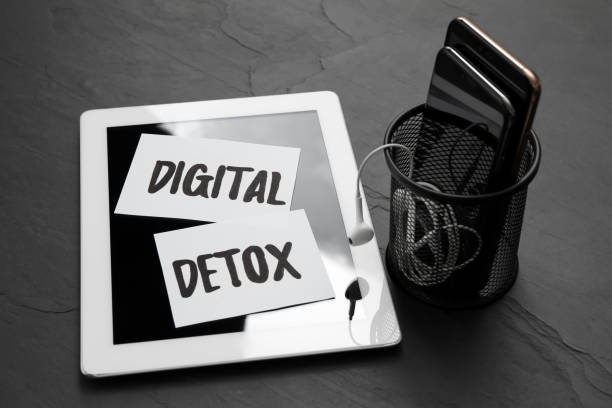

Okay so lets be real, our phones have basically taken over our lives. Notifications, emails, TikTok, Instagram, YouTube, news alerts… its nonstop. sometimes i catch myself scrolling for like 20 minutes and literally have no idea what i was even looking for. And apparently i’m not alone — everywhere you look people are talking about “digital detox”, taking breaks from screens and trying to get some sanity back.
Digital detox isn’t just some trendy lifestyle thing, it actually matters. Our brains weren’t really designed to be on 8 apps at the same time while also checking emails and reading news alerts. And yet here we are, fingers glued to screens like we cant survive without them.
What is a Digital Detox Anyway?
Basically, it’s a conscious break from digital devices — mostly smartphones, computers, tablets, social media — to reduce stress, improve focus, and reconnect with life offline. Doesn’t have to be extreme. You don’t need to live in a cabin with no wifi for a month (although if you do, good for you). Even small detoxes like an hour before bed without your phone or a weekend with minimal screen time can make a huge difference.
It’s weird how much we forget how refreshing it can be to just… not be online. Suddenly noticing the sun, your cat being weird, or hearing actual human voices instead of emojis and memes.
Why It’s Becoming Popular
Honestly i think people are just tired. Burnout, FOMO, anxiety from constantly comparing themselves online — it’s a lot. Studies have shown heavy social media use can make people feel lonelier and more stressed. And maybe we all need a break from constant notifications telling us what everyone else is doing.
Also the rise of apps that track screen time kinda backfired — people looked at their phones and were like “Wait… I spend how many hours a day just scrolling memes?” Cue panic and guilt. Digital detox gives people a way to hit reset and feel like they’re back in control.
Benefits of Digital Detox
-
Better Sleep: No more scrolling until 2 a.m. Your brain actually gets the memo its bedtime.
-
Reduced Stress: Less constant comparison, less doomscrolling, less anxiety
-
Improved Focus: You actually finish that work task instead of getting distracted by 15 notifications
-
More Real-Life Connections: People notice their friends and family more. I had a weekend phone-free once and actually remembered everyone’s faces at dinner. Wild.
-
Mental Clarity: Weirdly your brain feels lighter. Like clearing out browser tabs but in your head.
Even small detoxes can help. One hour, a few minutes meditation without phone, a screen-free meal — surprisingly restorative.
How to Start Your Own Digital Detox
-
Pick a time frame: Even 30 mins a day is better than nothing
-
Set rules: No scrolling while eating, no phone in bed, maybe 1 hour in the morning without social media
-
Use tech to help: Ironically apps can block apps or track usage to keep you accountable
-
Replace the habit: Go for a walk, read a book, cook something, talk to someone face-to-face
-
Start small, don’t go extreme: Trying to live totally offline for a week straight might be stressful and make you give up. Tiny wins matter
I personally tried a “no phone before 10 a.m.” rule and it was surprisingly hard at first. then after a few days i noticed i felt calmer, and mornings didn’t feel like a race to check notifications. Tiny change, huge difference.
Why It Matters in 2025
In today’s world we’re basically tethered to screens 24/7. Work, social life, entertainment, shopping, banking — it’s all digital. And while technology is amazing, we can’t forget human brains need downtime. Without it stress, anxiety and burnout pile up. Digital detox isn’t just a trendy thing, it’s a survival strategy for sanity.
Also social media culture makes people feel like they always need to be online, responsive, “productive”. Detox gives permission to just… exist offline for a while. And honestly that’s kinda liberating.
Wrapping It Up
Digital detox is rising because people are realizing we cant live like slaves to our phones forever. Even small breaks — an hour a day, a weekend offline, or a no-phone dinner — can improve sleep, focus, mood and relationships. The trick is starting small, being realistic, and noticing how your brain and mood improve when you unplug.
So next time your phone is buzzing and you feel stressed, maybe try putting it down. Go outside, read, walk, talk to someone in real life… you might be surprised how nice the world is without a screen in your face for once.